
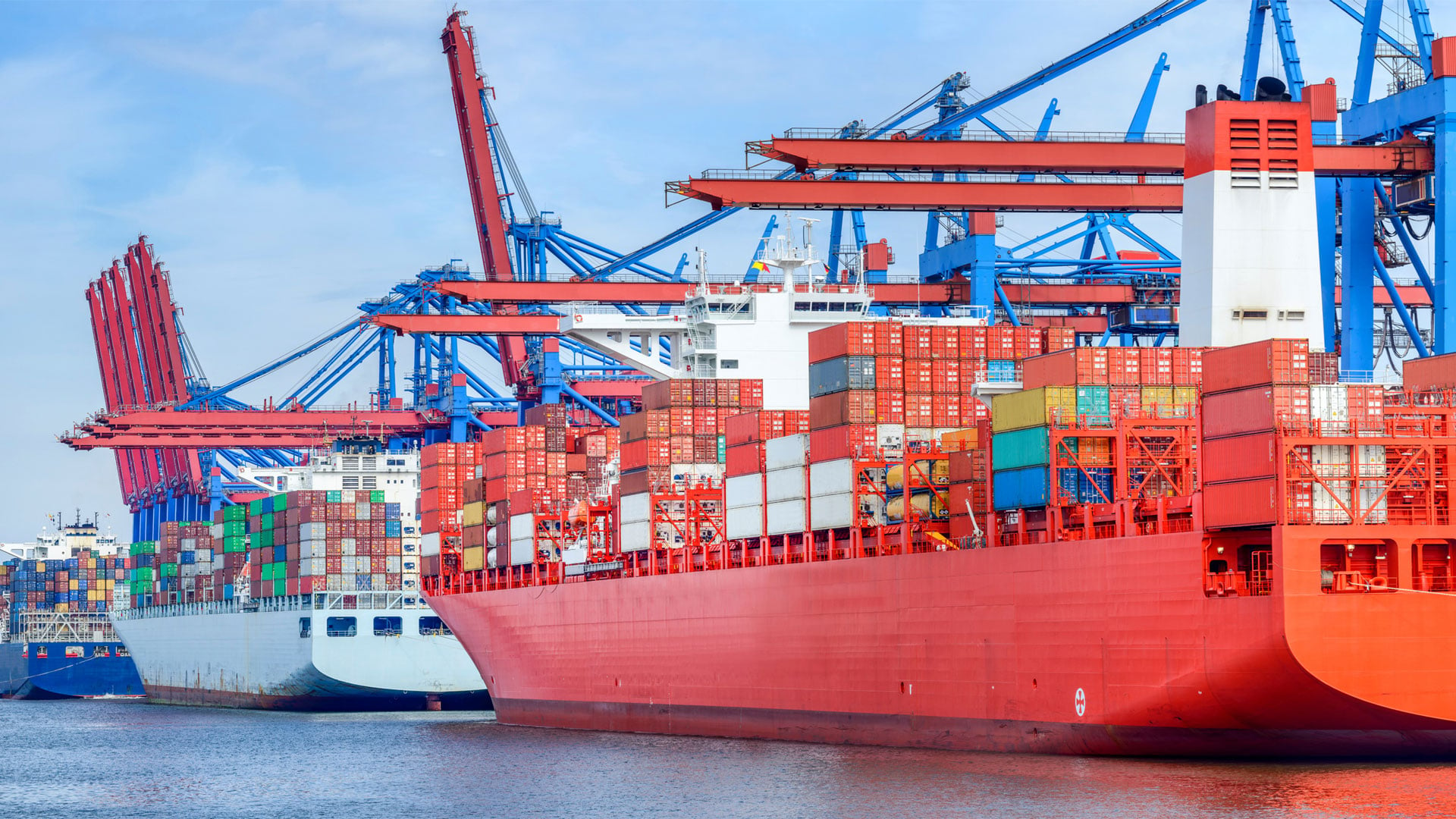
Insurance and reinsurance under climate stress: managing systemic risk in global supply chains examines how climate disruption is transforming supply chains from efficiency-driven networks into channels of systemic vulnerability.
Drawing on recent European climate shocks, from floods that paralysed logistics and manufacturing to droughts that strained harvests and water supplies, the report shows how extreme weather no longer remains local.
Instead, it cascades through interconnected trade, energy and financial systems, turning physical hazards into global shortages, delays and economic instability.
Based on interviews with senior leaders across Europe’s (re)insurance sector, the paper explores how traditional risk-transfer models are being stretched by the scale, correlation and complexity of climate-related losses.
As hazards intensify and exposures concentrate, the foundational principles that underpin insurability are being tested in new ways.
The report highlights structural tensions within the system: reliance on backward-looking data in a forward-changing climate, short underwriting cycles against multi-decade risks, and coverage frameworks that prioritise direct asset damage while overlooking indirect, human and productivity impacts embedded within supply chains.
It also considers emerging tools and innovations and their practical limits, while raising broader questions about regulation, modelling standards and public–private coordination.
At its core, the report argues that climate risk is becoming systemic faster than financial protection mechanisms can adapt.
It stops short of alarmism, but signals clearly that without deeper reform and coordinated resilience efforts, the gap between climate exposure and insurability may widen in ways that affect economic stability well beyond Europe.

Comments
Remove Comment
Are you sure you want to delete your comment?
This cannot be undone.